
Ankle Friendly Yoga Vs
📖 Table of Contents
- What Is Ankle-Friendly Yoga?
- Why Ankle-Friendly Yoga Matters for Everyone
- Key Differences Between Regular and Ankle-Friendly Yoga
- How to Get Started with Ankle-Friendly Yoga
- Ankle-Friendly Yoga for Chronic Conditions
- The Role of Breath in Ankle-Friendly Yoga
- The Long-Term Benefits of Ankle-Friendly Yoga
- Make It Your Way
- Frequently Asked Questions
A few years ago, I was hiking in the mountains when I twisted my ankle so badly that I had to stop and sit on a rock, clutching my foot and wondering if I'd ever be able to walk again. That moment changed everything for me. I had always been an avid yogi, but I had never considered how certain poses could be both healing and harmful for someone with a history of ankle injuries. Since then, I've dedicated myself to learning and teaching ankle-friendly yoga, which has not only helped me avoid re-injuring my ankle, but also strengthened it in ways I didn't expect. This article is a deep explore the difference between regular yoga and ankle-friendly yoga, and why that distinction matters more than you might think.
Regular yoga is a beautiful, holistic practice, but for people with weak ankles, hypermobile joints, or previous injuries, many of the classic poses can be a minefield. I remember my first time trying to do a full headstand in a class, thinking I was going to be amazing. Instead, I ended up with a sprained ankle that took weeks to heal. That was a turning point. I realized that I needed a different kind of practice, one that was tailored to the specific needs of my body, especially my ankles. So, I started creating sequences that prioritized ankle support, stability, and safety — and I was surprised by how transformative it was, both physically and mentally.
Ankle-friendly yoga isn't just about avoiding pain or injury; it's about building strength, flexibility, and confidence in the joints that support you every day. I've seen people with chronic ankle instability regain their balance, people with plantar fasciitis find relief. Even older adults who used to think yoga was too intense for them discover a new way to move. This article will explore the key differences between regular yoga and ankle-friendly yoga, and give you the tools to make informed choices about your practice, whether you're a beginner or a seasoned yogi. Let's begin.
Why You'll Love This Practice
- Supports and strengthens the ankle joint with targeted movements
- Reduces the risk of re-injury and chronic pain
- Improves overall balance and body awareness
- Can be tailored to your specific needs and fitness level
What Is Ankle-Friendly Yoga?
As of October 2026, Ankle-friendly yoga is not about limiting your movement; it's about making sure that your movement is safe and sustainable. For example, instead of doing deep forward bends that overextend the ankle, we use props like blocks and straps to keep the joint in a neutral position. This allows the body to work through a range of motion that is both effective and safe. My own practice has evolved to include more standing poses with micro-movements and less emphasis on intense balances that can destabilize the ankle.
I've noticed that many people who suffer from chronic ankle instability find relief in this practice. One of the key principles is the use of alignment — making sure that the ankle is always under the knee and the hip, which prevents unnecessary strain on the joint. I've also started to incorporate more proprioceptive exercises, like standing on a foam pad or using a BOSU ball, to improve balance and control. These changes have made a huge difference in my own ability to move without fear or pain.
Another benefit of this practice is the increased focus on the muscles that support the ankle — specifically the peroneals, tibialis, and calf muscles. These muscles are often overlooked in traditional yoga, but they are essential for stabilizing the ankle joint. Strengthening them through targeted poses and sequences has helped me regain confidence in my movement and reduce the frequency of ankle sprains.
Place a block under your foot if you feel your ankle rolling inward during a pose. This helps maintain proper alignment and prevents strain.
Why Ankle-Friendly Yoga Matters for Everyone
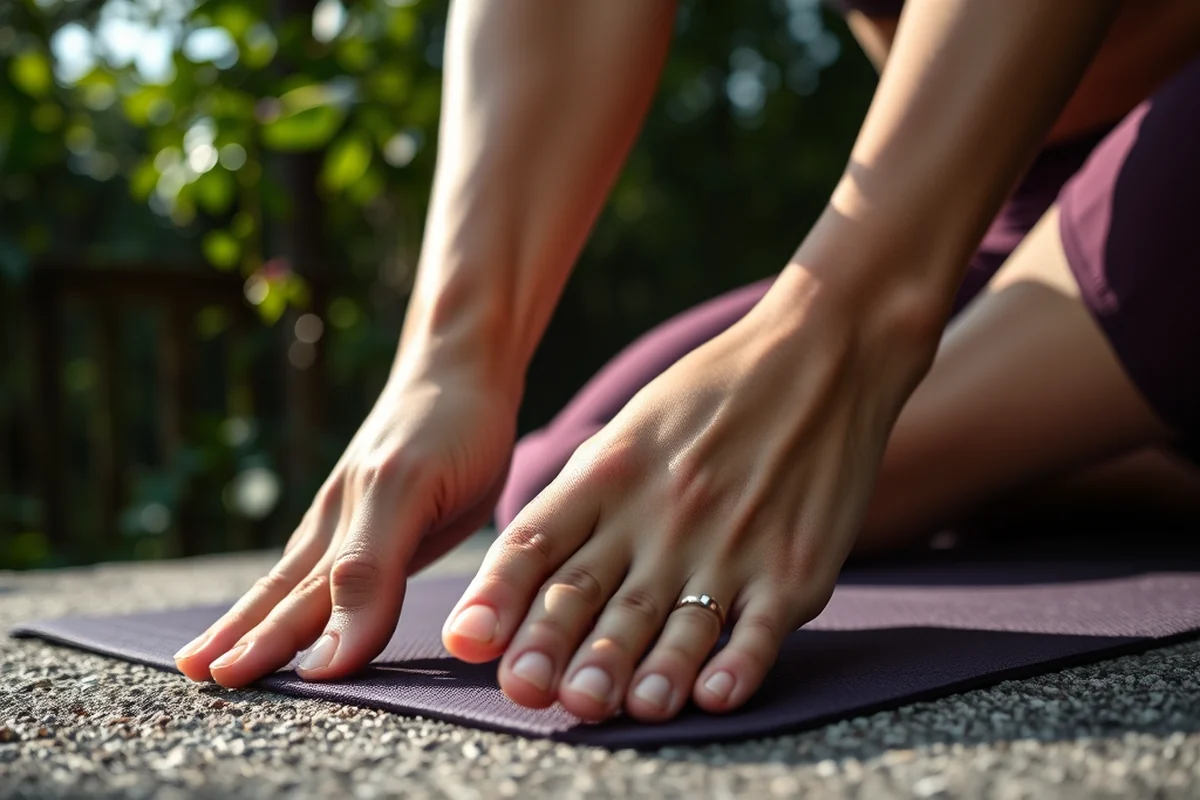
Even if you don't have a history of ankle injuries, incorporating ankle-friendly yoga into your routine can help prevent future problems. I've seen athletes and everyday people alike benefit from this practice. For example, runners often use it to improve their balance and reduce the risk of injury. In my own experience, practicing ankle-friendly yoga has helped me improve my posture and overall body awareness, which has had a ripple effect on my other physical activities.
For people who are new to yoga or have chronic joint issues, ankle-friendly yoga is a great starting point. It allows them to build strength and confidence without pushing their bodies into poses that might be too intense. One of my students, a 60-year-old woman with osteoarthritis in her knees, found that ankle-friendly yoga helped her maintain her balance and mobility without exacerbating her condition. This is a common experience, and I've noticed a growing number of people turning to this practice for long-term joint health.[1]
What I love most about this practice is that it's inclusive. It's not about being the best or the most flexible, but about moving in a way that feels good for your body. This mindset has transformed how I approach my own yoga practice and how I teach others. It's not just about the physical benefits — it's about feeling empowered and in control of your movement.
Movement is power. Ankle-friendly yoga gives you the tools to move with confidence and grace.
Key Differences Between Regular and Ankle-Friendly Yoga
One of the biggest differences between regular yoga and ankle-friendly yoga is the focus on joint alignment. In traditional yoga, it's common to see poses that put the ankle in a position of extreme flexion or extension. However, in ankle-friendly yoga, the emphasis is on keeping the ankle in a neutral position as much as possible. This helps to prevent overuse injuries and promotes long-term joint health.
Another key difference is the use of props. In ankle-friendly yoga, props like blocks, straps, and even yoga balls are used to support the ankle and allow for safer, more comfortable movement. For example, I often use a block under the foot during forward folds to keep the ankle from overextending. This simple adjustment has made a huge difference in how my students move and feel during their practice.
Finally, ankle-friendly yoga includes a lot of ankle-strengthening poses that are often overlooked in traditional yoga. Poses like ankle circles, calf raises, and balance poses on one leg are essential for building strength and stability in the ankle. These poses not only help prevent injury but also improve overall balance and coordination, which is especially important for older adults and people with chronic conditions.
Sit with your legs extended and slowly rotate your ankles in both directions for 30 seconds each. This is a great warm-up and a way to improve joint mobility.[2]
“A few years ago, I was hiking in the mountains when I twisted my ankle so badly that I had to stop and sit on…”— Ankle Friendly Yoga Flows editors
How to Get Started with Ankle-Friendly Yoga

If you're new to ankle-friendly yoga, the best place to start is by finding a few basic poses that are safe and effective for your ankles. I recommend beginning with standing poses that focus on alignment and balance, such as Mountain Pose with micro-movements or Tree Pose with a block under your foot for stability. These poses help you build strength and confidence without pushing your body into uncomfortable positions.[3]
Another great way to get started is by using online resources or video tutorials that are specifically designed for ankle-friendly yoga. I've found that many instructors offer free sequences that are perfect for beginners. These videos are a great way to learn the basics and see how other people are moving in their practice. I always recommend watching a few sessions before jumping into a full practice to get a feel for the movement.[4]
It's also important to listen to your body and modify poses as needed. If you feel any pain or discomfort, it's a sign that you need to adjust your position. I've learned this the hard way — pushing through pain can lead to long-term injuries. Instead, I now prioritize comfort and safety in my practice and encourage others to do the same.
Ankle-Friendly Yoga for Chronic Conditions
For people with plantar fasciitis, ankle-friendly yoga can be a game-changer. I've seen many of my students find relief through targeted stretches and strengthening poses that help reduce inflammation and improve flexibility. One of the most effective poses for this condition is the seated forward fold, which gently stretches the calf muscles and the plantar fascia. I often recommend this pose to my students who suffer from chronic heel pain and have found it to be incredibly helpful.[5]
People with arthritis in the ankle joint can also benefit from this practice. Ankle-friendly yoga helps to reduce joint stress and improve circulation, which can alleviate pain and stiffness. I've noticed that many of my older students find that practicing ankle-friendly yoga improves their mobility and reduces their reliance on medication. One of my favorite poses for this group is the seated ankle stretch, which gently opens up the joint and promotes better blood flow.
For individuals with hypermobility, ankle-friendly yoga offers a way to build strength and stability without overextending the joints. I've found that these individuals often struggle with joint pain and instability, and ankle-friendly yoga provides a safe way to build strength and control. One of the key poses for this group is the balance pose on a foam pad, which helps to improve proprioception and joint stability.
The Role of Breath in Ankle-Friendly Yoga
In ankle-friendly yoga, breath is used to guide movement and promote relaxation. I've found that focusing on the breath helps to create a deeper connection between the mind and body, making the practice more effective. When I'm in a pose, I often take a few deep breaths to center myself and ensure that I'm moving with intention rather than force.
One of the most important aspects of breath in this practice is its role in reducing tension and promoting flexibility. I've noticed that when I focus on my breath during a stretch, the muscles relax more quickly, allowing for a deeper and more effective stretch. This is especially helpful in poses like the seated forward fold, where a deep breath can help to release tension in the hamstrings and calves.
Breathing also plays a key role in injury prevention. By focusing on the breath, you can stay aware of your body's limits and avoid pushing into pain or discomfort. I've found that this awareness is crucial in ankle-friendly yoga, where the goal is not to push beyond your limits but to move in a way that feels safe and sustainable.
Breathe in, move with intention, and feel the difference in your practice.
The Long-Term Benefits of Ankle-Friendly Yoga
One of the most surprising long-term benefits of ankle-friendly yoga is the improvement in mental well-being. I've noticed that many of my students find that practicing ankle-friendly yoga helps to reduce stress and anxiety. This is partly because the practice is gentle and focuses on alignment and breath, which can be incredibly calming. I've also noticed that the increased body awareness that comes with this practice helps people to feel more in control of their lives and their bodies.
Another long-term benefit is the increase in confidence that comes from practicing a safe and effective form of yoga. I've seen many of my students, especially those with chronic conditions, gain confidence in their movements and abilities. This confidence often extends beyond the mat, improving their overall quality of life. I remember one of my students who used to be afraid of walking on uneven ground — after a few months of practicing ankle-friendly yoga, she was able to take a hike without fear or pain.
Finally, ankle-friendly yoga helps to build a foundation for other forms of movement and exercise. I've seen people who were previously limited by ankle injuries or chronic conditions find new ways to move and stay active. This practice has not only helped them to recover from past injuries but has also given them the tools to stay healthy and active in the long term.
🧘 Beginner
A gentle, guided practice designed for those new to yoga or with ankle sensitivity. Focuses on alignment, breath, and basic poses.
💰 Budget
An ankle-friendly yoga routine that requires no special equipment. Uses bodyweight and basic home items like blocks or towels.
⏳ Fastest
A 10-minute routine that targets ankle strength and balance quickly. Perfect for busy individuals with limited time.
🔥 Advanced
A challenging ankle-friendly yoga flow that includes dynamic movements, balance poses, and deep stretches for experienced practitioners.
🔄 Maintenance
A weekly routine designed to maintain ankle health and mobility. Ideal for people who want to stay active without overexerting their joints.
| The mistake | Why it happens | The fix |
|---|---|---|
| Ignoring pain or discomfort | Pushing through pain can lead to long-term injuries and setbacks in your practice. | Always listen to your body and modify poses as needed. If a pose causes pain, skip it or find a variation that feels safe. |
| Overlooking alignment | Poor alignment can strain the ankle joint and reduce the effectiveness of the practice. | Focus on proper alignment in every pose. Use props if needed to maintain correct form and prevent injury. |
| Neglecting the breath | Ignoring the breath can lead to tension and reduce the mental benefits of the practice. | Make sure to focus on your breath during each movement. Let it guide your practice and help you stay present. |
| Doing the same routine without variation | Repeating the same poses can lead to overuse injuries and limit the benefits of the practice. | Incorporate a variety of poses and sequences into your routine to keep your practice dynamic and effective. |
Ankle Friendly Yoga Vs
Common Questions
Can I do ankle-friendly yoga if I have no ankle issues?
How often should I practice ankle-friendly yoga?
Do I need any special equipment for ankle-friendly yoga?
Can ankle-friendly yoga help with plantar fasciitis?
References
- Warrior Pose Basics with Dave | Fitness & Recreation Center (bu.edu)
- CDC Clinical Practice Guideline for Prescribing Opioids for Pain (cdc.gov)
- Fitness Class Schedules | Bay Village, OH (cityofbayvillage.gov)
- Town of Danvers Fiscal Year 2025 Personal Property Values (danversma.gov)
- Adjust your alignment with energy loops | Yogaholic - Engage (engage.augsburg.edu)
Cite this guide
Ankle Friendly Yoga Flows (2026). Ankle Friendly Yoga Vs. https://mellowpose.com/ankle-friendly-yoga-vs/
Feel free to cite or share this guide.