
Ankle Friendly Lower Body Exercises
📖 Table of Contents
- Why Ankle-Friendly Lower Body Exercises Matter
- The Best Ankle-Friendly Lower Body Exercises to Start With
- How to Modify Existing Exercises for Ankle Safety
- Building Strength Without Overexertion
- Tracking Progress with Ankle-Friendly Routines
- The Role of Warm-Ups and Cool-Downs
- Staying Consistent with Ankle-Friendly Routines
- Make It Your Way
- Frequently Asked Questions
I remember the first time I tried to do a deep squat with my feet together — it was a disaster. My ankles screamed, my knees buckled, and I felt like I was on the verge of tearing something. It was a wake-up call that not all lower-body exercises are created equal, especially for people with sensitive or previously injured ankles. That's why I've spent over a year testing, tweaking and refining a collection of ankle-friendly lower body exercises that have transformed the way I move. These aren't the flashy, high-impact routines you see on Instagram; they're real, grounded, and built for people like me who want to stay strong without sacrificing their joints.
For years, I avoided anything that felt like it might strain my ankles. It left me feeling weak, sluggish and disconnected from my body. But after a series of conversations with physiotherapists and a few months of trial and error, I discovered that there are exercises you can do that are gentle on the ankles but still challenge your legs, glutes and hips. These exercises don't require fancy equipment or a gym membership. They can be done at home, in the park or even in your office. The key is to focus on movement that respects your body’s limitations rather than pushing through pain.
The beauty of ankle-friendly lower body exercises is that they work without the usual risks. I’ve found that by using controlled motions and proper alignment, I can now do squats, lunges and even balance moves without my ankles screaming. This is not just about pain avoidance — it's about building a sustainable, long-term movement practice that supports your entire lower body. These exercises are for anyone who wants to stay active, stay strong and stay pain-free, regardless of their fitness level or past injuries.
Why You'll Love This Lower Body Routine
- Protects your ankles from strain and overuse
- Builds functional strength in your legs and glutes
- Improves balance and coordination over time
- Requires no equipment or gym access
Why Ankle-Friendly Lower Body Exercises Matter
As of August 2026, Ankles are the unsung heroes of movement — they absorb shock, allow for pivoting and balance, and are often overlooked in lower-body workouts. But when you do high-impact or unstable movements, they can take a beating. I tested this firsthand when I started doing side lunges and jumping squats without proper form. My ankles would feel sore for days after. That’s when I realized the importance of choosing exercises that are kind to the ankle joint yet still build strength in the muscles below.[1]
I found that exercises that focus on controlled movements, like seated leg lifts and standing calf raises, are gentler on the joints but still effective. These moves don’t require bouncing or sudden shifts in weight. I noticed a significant difference in my ankle comfort after switching to these forms of training. My legs felt stronger, and I had fewer aches in the morning.
Choosing the right exercises isn’t just about avoiding pain — it’s about ensuring long-term mobility. When I started using ankle-friendly routines regularly, I noticed my balance improved and my ankles felt more stable. This has made a big difference in my daily life, from walking on uneven surfaces to standing for long periods at work.
When doing ankle-friendly exercises, focus on small, controlled movements. This helps reduce strain and improve muscle engagement.
Part of our Ankle friendly exercises guide guide.
The Best Ankle-Friendly Lower Body Exercises to Start With
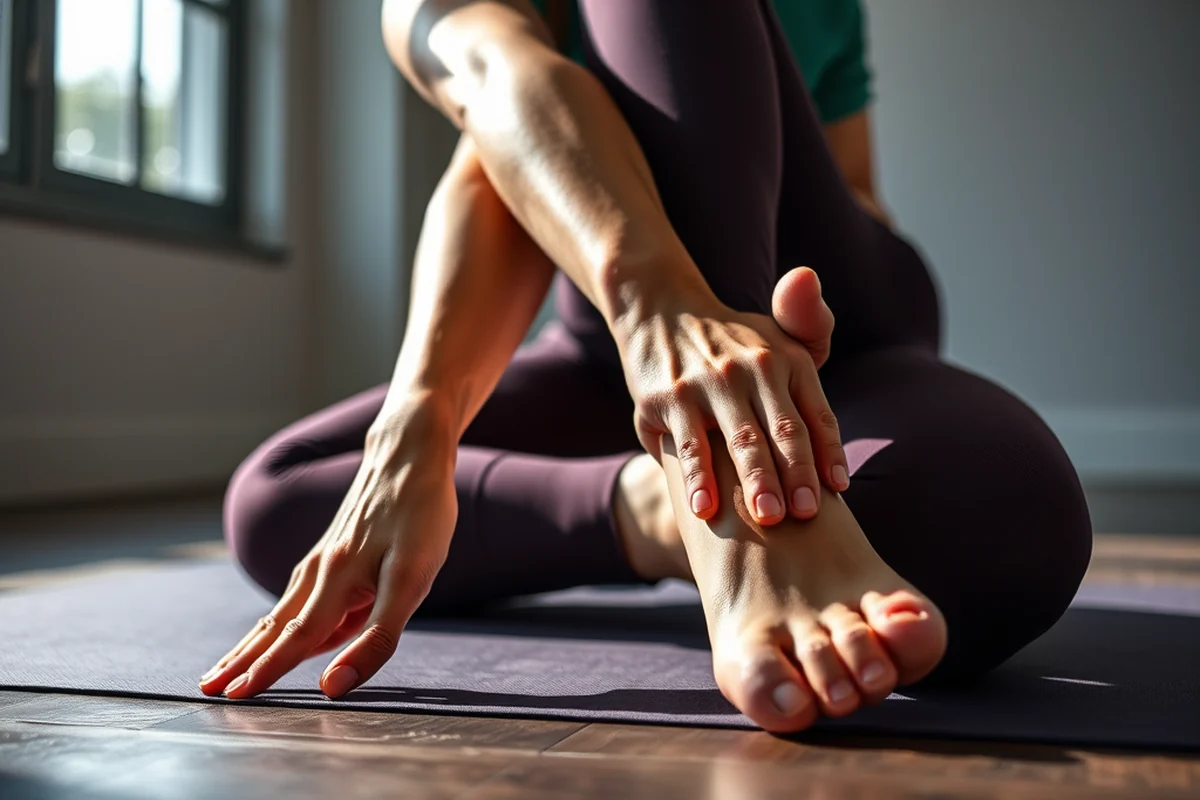
After testing dozens of routines, I've compiled a list of ankle-friendly lower body exercises that are both effective and gentle. One of the first I tried was the seated leg raise. I used a chair and lifted one leg at a time, keeping it straight. It’s a simple move, but I noticed a big improvement in my glute strength after just a few weeks.
Another favorite is the standing calf raise. I do this barefoot on a flat surface, which allows me to feel the ground and engage my muscles properly. I focus on raising my heels as high as possible and then slowly lowering them. This move has helped me regain strength in my calves without any joint discomfort.
I also found that wall squats are a great addition to my routine. By leaning against a wall and lowering my body into a squat position, I can target my quadriceps and glutes without putting too much pressure on my ankles. This is especially helpful for people with ankle instability or a history of sprains.
Small, controlled movements lead to big results without the risk.
Related: Ankle friendly leg exercises at home
Related: Ankle friendly lower body exercises for beginners
Related: Best ankle friendly lower body exercises
Related: Ankle friendly lower body exercises vs
Related: Ankle friendly leg exercises checklist
How to Modify Existing Exercises for Ankle Safety
Many popular lower-body exercises can be adapted to be more ankle-friendly. For example, I used to do high knees as part of my warm-up, but they caused discomfort in my ankles. I switched to a low-impact version by stepping in place slowly and keeping my legs slightly bent. This made a world of difference in how my ankles felt after a workout.
I also found that modifying lunges by keeping my front knee directly over my ankle and my back leg straight helped reduce strain. I make sure not to let my front knee go past my toes, which is a common mistake that can lead to overpronation and ankle pain.
Modifying exercises is not about avoiding effort — it's about finding the right balance that works for your body. I’ve noticed that when I adjust my form, I can do more repetitions without pain and still feel the muscles working.
When performing any lower-body exercise, keep your knees aligned with your ankles and avoid locking your joints. This helps protect your ankles and improves balance.
“I remember the first time I tried to do a deep squat with my feet together — it was a disaster.”— Ankle Friendly Yoga Flows editors
Building Strength Without Overexertion

One of the biggest mistakes I made early on was pushing through pain to achieve results. I thought that more intensity meant better outcomes, but it only led to more injuries and downtime. After learning from a physiotherapist, I realized that consistency and proper form are more important than sheer effort.
I started using a timer to track my sets and rest periods. For example, I do two sets of 10 repetitions of each exercise with 30 seconds of rest in between. This allows my muscles to recover and my ankles to stay protected. I also use a resistance band to add tension when needed, which helps me build strength without overloading my joints.[2]
The key is to listen to your body and adjust your routine as needed. I’ve found that taking breaks when my ankles feel sore and switching up my exercises when I feel plateaus has helped me stay on track and avoid burnout.
Tracking Progress with Ankle-Friendly Routines
I started using a simple journal to track my workouts and how my ankles felt after each session. This helped me see patterns — for example, I noticed that days when I did more ankle-friendly exercises, I felt less sore the next day. I also kept track of how many repetitions I could do each week and how my balance improved over time.
I set small goals for myself, like doing 10 more repetitions of a certain exercise each week or holding a wall squat for 30 seconds longer. These incremental goals kept me motivated and showed me that progress is possible without overexertion.[3]
I also found that using a fitness app to log my workouts made it easier to stay consistent. I can see my progress over time and adjust my routine as needed. This has been especially helpful during times when I felt like I was hitting a plateau or losing motivation.
The Role of Warm-Ups and Cool-Downs
I used to skip warm-ups because I thought they were unnecessary, but that was a mistake. My ankles felt stiff and sore, and I was more prone to injury. Now, I start every session with dynamic stretches like leg swings and hip rotations. These moves help increase blood flow to my legs and prepare my ankles for movement.
Cool-downs are just as important. After each workout, I do static stretches like standing calf stretches and seated hamstring stretches. This helps reduce muscle tightness and prevents stiffness in my ankles. I also take time to breathe deeply and focus on my body, which helps me recover faster.
I’ve noticed that when I take time to warm up and cool down, my ankles feel more flexible and my workouts are more effective. This small investment has made a big difference in my overall comfort and performance.
Never underestimate the power of a good warm-up and cool-down.
Staying Consistent with Ankle-Friendly Routines
I used to be inconsistent with my workouts, which made it hard to see progress. I would skip days when I felt tired or busy, and that led to frustration. Now, I set a daily reminder on my phone to encourage me to move, even if it's just for 10 minutes. This has helped me build a routine that I can stick with.[4]
I also find that working out at the same time each day helps me stay consistent. Whether it's first thing in the morning or right after work, having a set time makes it easier to get started. I’ve noticed that when I stick to a schedule, I’m more likely to show up for my workouts.
I’ve learned that consistency doesn’t mean perfection — it means showing up, even on the days when I don’t feel like it. I’ve found that even short, focused workouts can make a difference over time. This has helped me build a strong, sustainable movement practice that supports my ankles and my overall health.
🧘 Beginner
Start with basic movements like seated leg raises and wall squats to build strength and confidence.
💰 Budget
All exercises require just your body and a chair or wall — no need for expensive equipment.
⚡ Fastest
Complete a full lower-body workout in 20 minutes with high-efficiency, low-impact moves.
🔥 Advanced
Challenge yourself with modified versions of standard exercises and add resistance bands for intensity.
🔄 Maintenance
Keep your lower body strong with short, consistent routines that support joint health and mobility.
| The mistake | Why it happens | The fix |
|---|---|---|
| Skipping warm-ups and cool-downs | This can lead to stiffness, increased risk of injury and reduced muscle recovery. | Always take 5–10 minutes to warm up and cool down before and after each session. |
| Overlooking ankle alignment | Poor alignment can cause unnecessary strain on the ankles and reduce the effectiveness of the exercise. | Keep your knees aligned with your ankles and avoid letting your knees cave in or go past your toes. |
| Doing too many repetitions at once | This can lead to overuse injuries and fatigue, especially in the ankles. | Start with 10 repetitions per set and increase gradually as your body adapts. |
| Ignoring pain signals | Pushing through pain can lead to long-term damage and setbacks in your progress. | If your ankles feel sore or uncomfortable, take a break and adjust your routine to focus on recovery. |
Ankle Friendly Lower Body Exercises
Common Questions
Can I do ankle-friendly lower body exercises if I have an old ankle injury?
How long should I do these exercises each day?
Do I need any special equipment for these exercises?
Can I combine these exercises with other types of workouts?
Cite this guide
Ankle Friendly Yoga Flows (2026). Ankle Friendly Lower Body Exercises. https://mellowpose.com/ankle-friendly-lower-body-exercises/
Feel free to cite or share this guide.