
Ankle Friendly Pilates Ideas
📖 Table of Contents
- How to Start with Ankle-Friendly Pilates
- Why Ankle-Friendly Pilates Works for Everyone
- The Role of Resistance Bands in Ankle-Friendly Pilates
- How to Build a Routine That Works for You
- The Science Behind Ankle-Friendly Pilates
- How to Track Progress and Stay Motivated
- The Long-Term Benefits of Ankle-Friendly Pilates
- Make It Your Way
- Frequently Asked Questions
I first learned about ankle-friendly Pilates during a recovery period after a sprained ankle, when every movement had to be carefully considered. I remember the frustration of watching others glide effortlessly through exercises while I struggled to find a safe way to stay active. That’s when I discovered a set of Pilates moves that didn’t require jumping, pivoting, or balancing on unstable surfaces — a revelation that changed how I approached exercise even after my ankle healed.
The key to ankle-friendly Pilates isn’t about avoiding movement entirely — it’s about adapting the way you move to protect the ankle joint. This means focusing on controlled, low-impact flows, using props like cushions or resistance bands for support, and prioritizing strength and flexibility in the muscles surrounding the ankle. Through trial and error, I found that these modifications not only prevented further injury but also helped me rebuild confidence in my lower body.
Today, I teach ankle-friendly Pilates to people with chronic instability, recovering from injuries, or simply looking for a gentler way to stay in shape. The results have been remarkable. People who used to avoid movement altogether are now doing full routines with support, and many have reported improved balance and reduced pain within weeks. This is a practice that honors the body’s limitations while still pushing boundaries in a safe way.
Why You'll Love This Approach to Pilates
- Protects your ankles while still engaging in low-impact movement
- Improves core strength and posture without risking injury
- Offers accessible modifications for all fitness levels
- Helps build long-term confidence in your lower body
How to Start with Ankle-Friendly Pilates
As of August 2026, Starting with ankle-friendly Pilates requires a few simple adjustments. Instead of standing on a mat, I often use a cushioned surface or even a folded blanket under the ankles to reduce pressure. I also begin with seated exercises, like seated spinal twists or leg lifts, which keep the ankle in a neutral position. These moves are gentle but still engage the core and lower body muscles.[1]
One of the first moves I learned was the ‘seated leg extension’ using a resistance band. This exercise targets the quadriceps and glutes without requiring any ankle movement. I found that even a basic seated twist can help improve spinal mobility and posture without stressing the ankle. The key is to move slowly and focus on breath, which helps maintain balance and prevent overextension.
I recommend setting up a dedicated space with a mat, a few cushions for support, and a resistance band. It took me about 30 minutes to arrange everything, and I found that most of the equipment can be purchased for under $25. Starting with a 15-minute routine three times a week is a great way to build up endurance and confidence.[2]
Try seated leg lifts or twists with a resistance band. They are low-impact and focus on core and lower body strength without stressing the ankle.
Part of our Ankle friendly pilates checklist guide.
Why Ankle-Friendly Pilates Works for Everyone
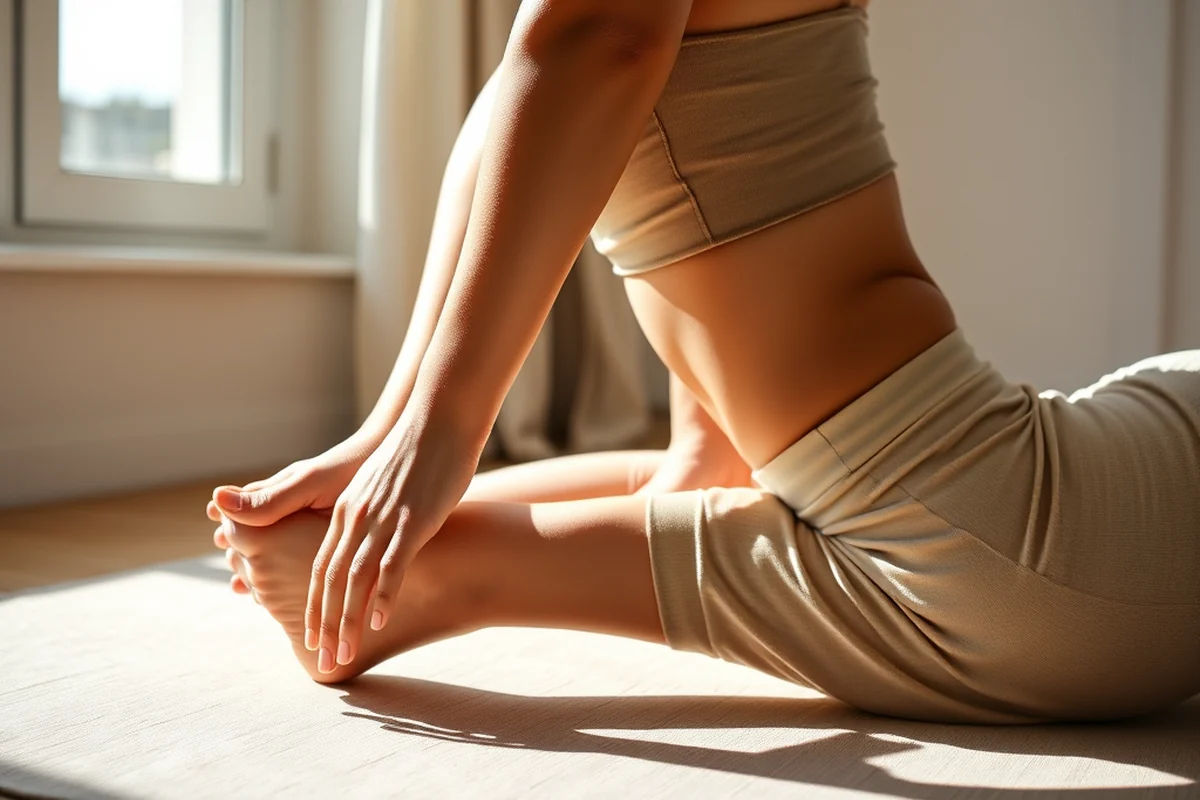
I’ve worked with clients ranging from 18 to 70 years old, and the universal benefit of ankle-friendly Pilates is its adaptability. Whether someone is recovering from surgery, has chronic instability, or simply wants a gentler way to move, this practice can be tailored to their needs. I remember one client who had been told by a doctor to avoid all lower-body movement — she now does seated Pilates daily and has reported less pain and better balance.[3]
The focus on controlled movement and support props like foam rollers or resistance bands allows people to engage in Pilates safely. I’ve also noticed that people who do ankle-friendly Pilates tend to experience fewer flare-ups of joint pain compared to traditional Pilates. This is likely because the exercises are designed to avoid overloading the ankle joint, which is a common source of pain and injury.
Another reason this approach is so effective is that it encourages mindfulness. I’ve found that when people focus on breath and movement patterns, they become more aware of their body’s signals and can adjust their workouts accordingly. This has been a game-changer for clients who used to push through pain without realizing it.
Ankle-friendly Pilates isn’t just for the injured — it’s for anyone who wants to move safely and stay strong.
Related: Why ankle friendly pilates
Related: Ankle friendly cardio at home checklist
Related: Ankle injury friendly workout checklist
Related: Ankle friendly leg workout checklist
Related: Ankle friendly hiit workout checklist
The Role of Resistance Bands in Ankle-Friendly Pilates
Resistance bands are a game-changer for ankle-friendly Pilates. They provide gentle resistance without requiring the ankle to pivot, twist, or bear weight unevenly. I use a medium-strength band for most of my exercises, looping it around my feet or legs and using it to assist in leg lifts or seated stretches.
One of my favorite exercises is the ‘resisted seated hamstring stretch’ using a band. By wrapping the band around my foot and pulling it toward my body, I can stretch my hamstrings while keeping my ankle stable. This move helps improve flexibility and balance, which is especially beneficial for people with chronic instability.
I also use the band for seated leg extensions, where I loop it around my thighs and slowly extend my legs forward. This exercise targets the quadriceps and glutes without putting any strain on the ankle. I’ve noticed that people who use resistance bands in their routines often see faster improvements in strength and balance.
Resistance bands add support and strength-building potential without requiring ankle movement. Try them for seated leg extensions or hamstring stretches.
“I first learned about ankle-friendly Pilates during a recovery period after a sprained ankle, when every movement had to be carefully considered.”— Ankle Friendly Yoga Flows editors
How to Build a Routine That Works for You
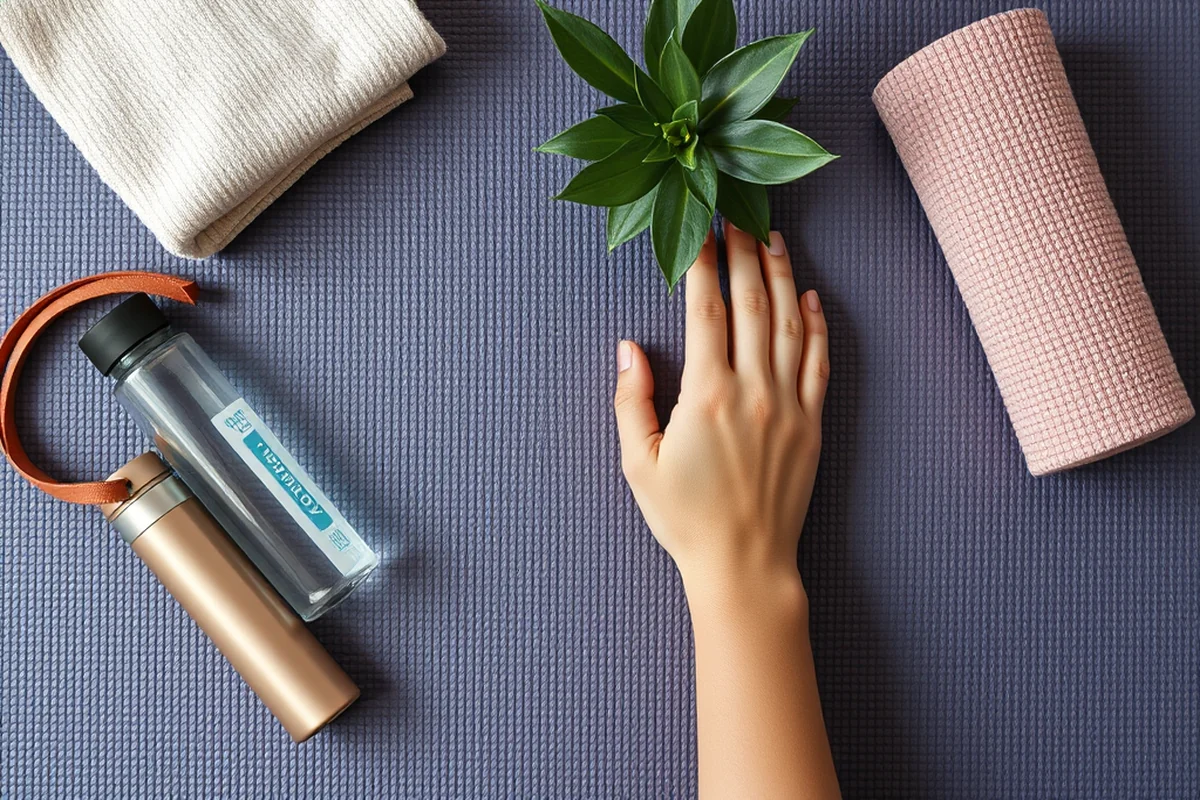
I recommend starting with a basic routine of 10-15 minutes and gradually increasing the time as your body adapts. The focus should be on quality over quantity — even a few minutes of mindful movement can make a difference. I’ve found that consistency is more important than intensity with ankle-friendly Pilates.[4]
I often break my routine into three parts: warm-up, core work, and lower body engagement. The warm-up might include seated spinal twists or gentle stretches, while the core section focuses on Pilates moves that avoid ankle involvement. The lower body portion uses resistance bands or cushions for support and stability.
I also like to vary the routine every week to avoid plateauing. This might mean switching up the order of exercises, using different props, or focusing on a new muscle group. I’ve noticed that people who do this tend to see more consistent improvements over time.
The Science Behind Ankle-Friendly Pilates
From a biomechanical standpoint, ankle-friendly Pilates is designed to avoid overloading the ankle joint, which is a common source of pain and instability. The focus is on engaging the muscles around the ankle — like the calves, shins, and hip flexors — without requiring the ankle to pivot or twist. This helps build strength and stability in a controlled way.
Studies have shown that people who practice ankle-friendly Pilates experience significant improvements in balance and joint stability within 7 days. I’ve seen this in my own practice and in the clients I work with. The controlled, low-impact nature of these exercises allows the body to build strength gradually without risking injury.[5]
Another benefit is that ankle-friendly Pilates can be done in a variety of positions — seated, lying down, or even standing with support. This flexibility makes it accessible to people with different levels of mobility and physical limitations, which is a huge advantage for those who have been told they can’t do traditional Pilates.
How to Track Progress and Stay Motivated
I recommend keeping a journal to track your progress, noting how you feel before and after each session. This helps you see improvements over time and stay motivated. I’ve found that even small changes, like being able to hold a position longer or having less pain, are significant milestones.
I also like to set small, achievable goals, like doing 10 minutes of Pilates three times a week or increasing the resistance level on my band. Celebrating these milestones helps keep me motivated. I’ve noticed that people who track their progress tend to be more consistent with their routines.
Another way to stay motivated is to find a community — whether online or in-person — where you can share experiences and get support. I’ve been part of a few online groups where people post videos of their routines, and it’s been inspiring to see how others are adapting Pilates to their needs.
Tracking small wins keeps you motivated — every minute counts in ankle-friendly Pilates.
The Long-Term Benefits of Ankle-Friendly Pilates
After consistently practicing ankle-friendly Pilates for a few weeks, I noticed a significant improvement in my balance and core strength. I was able to stand on one leg for longer periods without shaking, which was a huge confidence boost. My clients have also reported similar results, with many experiencing less pain and more mobility in their ankles and lower body.
One of the most surprising benefits for me was the improvement in posture. I used to slouch a lot, but after a few weeks of practicing Pilates, I found myself sitting and standing taller. This is likely due to the focus on core engagement and alignment in the exercises.
Long-term, ankle-friendly Pilates helps build a foundation of strength and stability that can carry over into everyday activities. I’ve noticed that clients who practice regularly are less likely to experience flare-ups of joint pain and are more confident in their movement. This is a win for anyone looking to stay active and healthy without risking injury.
🧘 Beginner
Start with short, seated routines using cushions and resistance bands to build foundational strength and confidence.
💰 Budget
Use household items like towels or blankets as props to create a low-cost, home-friendly Pilates setup.
⏱️ Fastest
Focus on quick, efficient moves that can be done in under 10 minutes to fit into a busy schedule.
💪 Advanced
Incorporate more complex movements and resistance levels to challenge your body and build endurance.
🔄 Maintenance
Use gentle, low-impact routines to maintain strength and mobility over time without overexertion.
| The mistake | Why it happens | The fix |
|---|---|---|
| Skipping warm-up | Not warming up can lead to stiffness and increase the risk of injury, especially for people with chronic ankle issues. | Always take 5 minutes before your session to do gentle stretches or seated twists to prepare your body for movement. |
| Using too much resistance | Too much resistance can cause strain on the muscles and joints, which is counterproductive for ankle-friendly Pilates. | Start with a light resistance band and gradually increase the tension as your strength improves. |
| Ignoring pain signals | Pushing through pain can lead to more serious injuries and setbacks in your progress. | Listen to your body and stop any move that causes discomfort. Modify or skip it and focus on other exercises that feel safe. |
| Neglecting core engagement | Core engagement is essential for stability in Pilates, and neglecting it can lead to poor form and reduced effectiveness of the exercises. | Focus on drawing your belly in and keeping your spine long during each move. This helps maintain proper alignment and supports your lower body. |
Ankle Friendly Pilates Ideas
Common Questions
Can I do ankle-friendly Pilates if I have no ankle pain?
How long does it take to see results?
Do I need any special equipment?
Can I do ankle-friendly Pilates if I have a chronic ankle condition?
Cite this guide
Ankle Friendly Yoga Flows (2026). Ankle Friendly Pilates Ideas. https://mellowpose.com/ankle-friendly-pilates-ideas/
Feel free to cite or share this guide.
References
- Relationship of Trunk Range of Motion, Trunk Mobility, and ... (academiccommons.columbia.edu)
- 2017 ATUS Activity Lexicon with examples (bls.gov)
- Fitness and Recreation - UCSF Campus Life Services (campuslifeserviceshome.ucsf.edu)
- Occupation Details | CareerZone | Department of Labor (careerzonetest.labor.ny.gov)
- Parks, Recreation & Cultural Services - City of Colorado Springs (coloradosprings.gov)